Lifestyle · Living here
Living in Marbella
Marbella has a reputation that lags its reality. Most newcomers arrive expecting either Costa del Sol package-holiday Marbella or the Vogue cover story. What they find is a working town of 150,000 residents, with international schools, a hospital, a 320-day sun year, and a genuine year-round community that is significantly more international and more permanent than the tabloid version suggests.
This guide covers what you actually need to know.
Where you should actually live
For families: Elviria, Bahía de Marbella, San Pedro, Nueva Andalucía, Guadalmina. For couples with no kids: Marbella town centre, Nueva Andalucía, Sierra Blanca, the Golden Mile second line, Estepona old town. For retirees: San Pedro, Guadalmina, Elviria, La Cala, Mijas Pueblo. Avoid: anything that looks great in July but is empty in February (much of the central Puerto Banús ring, parts of the New Golden Mile new-build).
Schools and healthcare
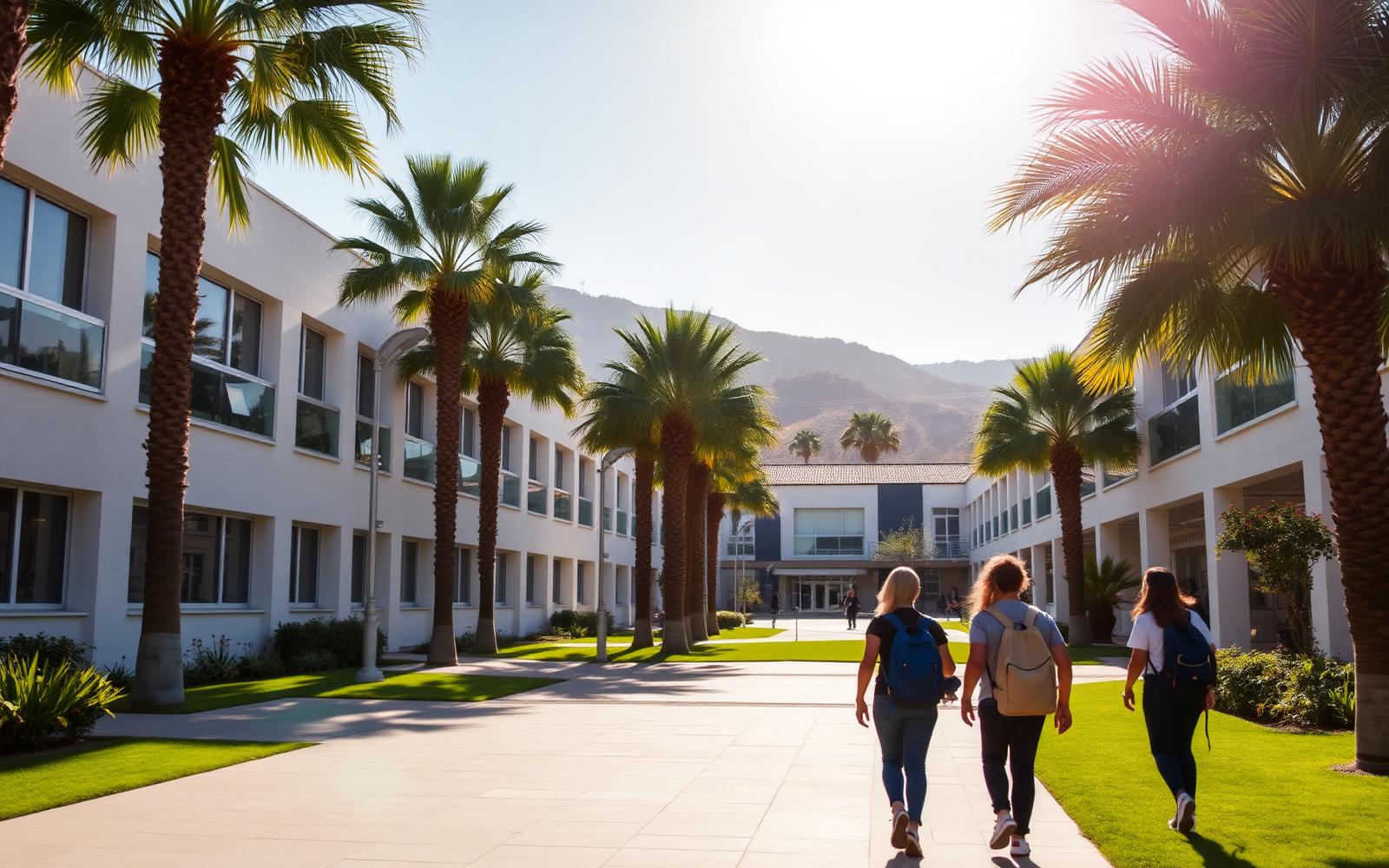
International schools are excellent and plentiful: Aloha College, Swans International, English International College, Sotogrande International School (further west), Deutsche Schule Málaga, Laude San Pedro. Healthcare: HC Marbella (private) is the default for residents; Quirónsalud Marbella is the other major private option; the public Hospital Costa del Sol in Marbella handles emergencies. Most permanent residents carry private insurance (€60–150/month per adult depending on age and coverage).
Cost of living reality
A comfortable family budget — international school for two, private health, two cars, a 4-bed villa — is realistically €8–12K/month all-in. A couple in a 2-bed Nueva Andalucía apartment with no school costs lives well on €4–6K/month. Property tax, community fees, electricity and water are the variables most newcomers under-budget.
What newcomers consistently misjudge
Winter weather (genuinely cool and humid, January is honest layer weather). The car-dependence outside the central walkable zones. The seasonal contrast (July-August is a different town from January-February). The pace of Spanish bureaucracy (NIE, residency, padrón, banking — all take longer than expected and reward early starts).
Frequently asked questions
- Is Marbella safe?
- Yes — Marbella sits in the lower half of Spanish cities by violent crime and is among the safest larger towns on the Mediterranean coast. Petty theft in tourist zones during peak summer is the meaningful risk.
- Do I need to speak Spanish?
- To live well, increasingly yes — particularly for bureaucracy, healthcare and longer-term integration. Coastal Marbella functions in English; permanent residence is much smoother with functional Spanish.
- What's the biggest mistake new residents make?
- Buying in a beautiful summer location that is dead in winter. Always visit your shortlist in January as well as July before committing.
Continue reading