Marbella is famous for the big things — yachts in Puerto Banús, beach clubs in Nueva Andalucía, villas with infinity pools that fold into the sea. They're real and they're spectacular. But ask anyone who actually lives here what they love most, and the answer is usually much smaller.
The unglamorous luxuries
Luxury in Marbella, as residents describe it, often sounds like this:
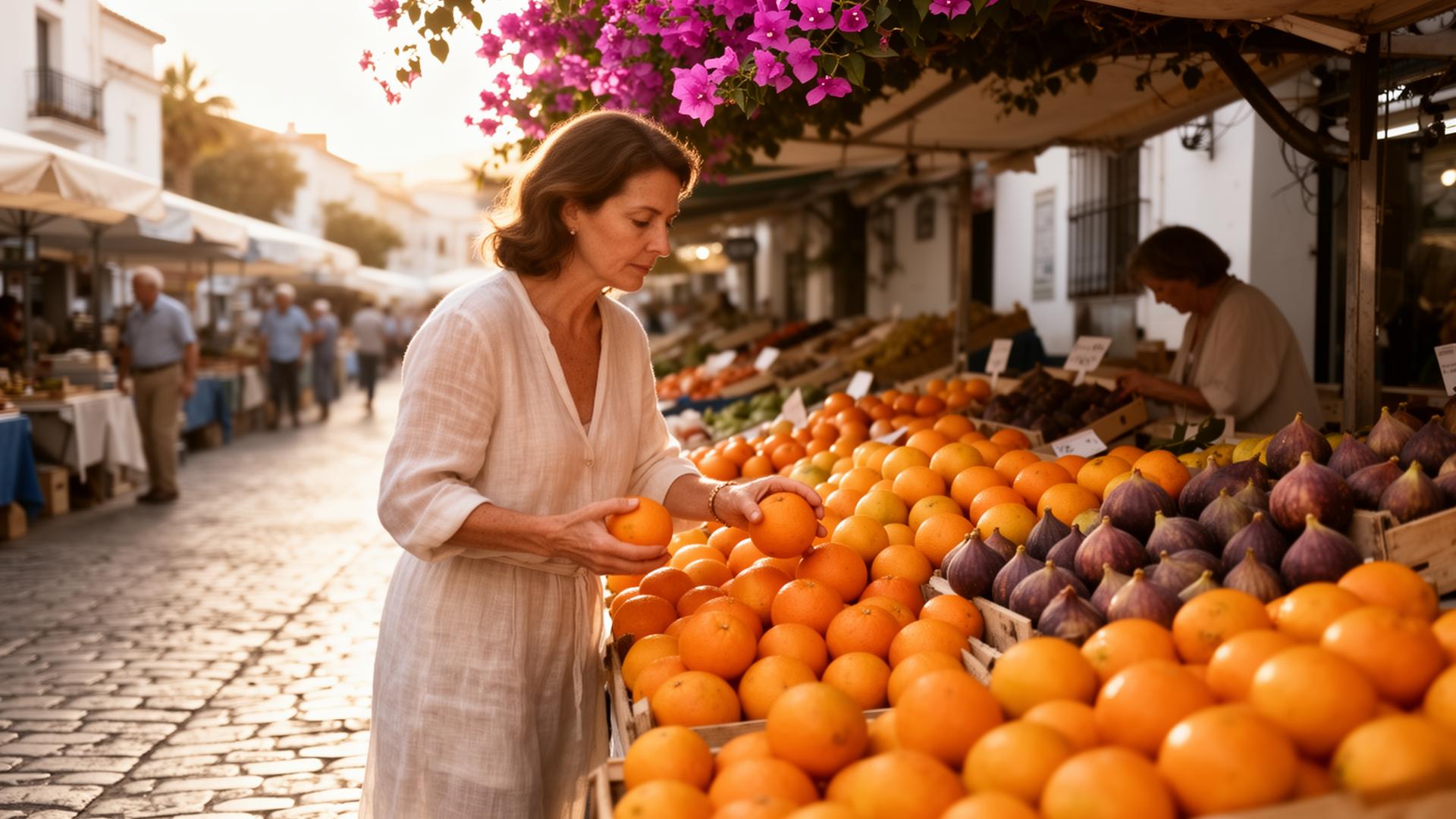
- buying fresh fruit in the morning sun at the Sunday market
- walking home from dinner under palm trees in March
- hearing the sea through an open window at night
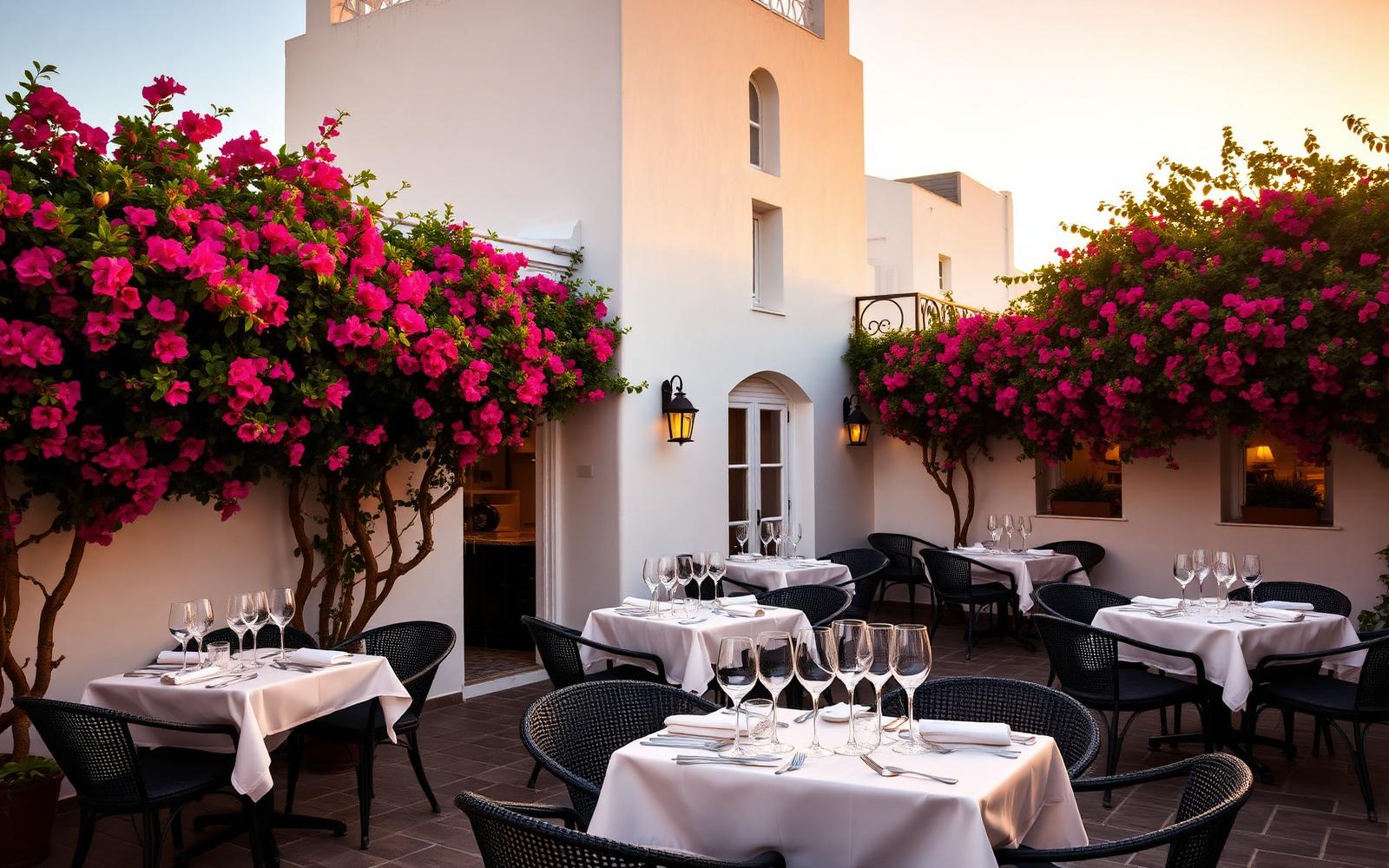
- drinking coffee outdoors in February
None of that requires a budget. None of it ends up on Instagram. But it's the part of life people describe with the most affection — the moments that quietly justify the whole move.
Why ordinary days feel different
Two things change when you live here. First, life moves outdoors. Restaurants, cafés, walks, school runs, gym sessions — most of it happens in open air. That alone shifts how your body feels by the end of a week.
Second, the social fabric is warmer. People stay longer at restaurants. They smile more easily. Strangers chat in queues. It's not performative; it's the natural side effect of a climate that lets people slow down. Stress is harder to maintain when the weather is on your side.
Personal help
Get matched with the right agent — free
Three steps, no obligations. We connect you with 1–3 specialist agents who actually work in your segment.
Start matchingWhat buyers actually notice after moving
The most common thing residents tell us, six or twelve months in, isn't about the property. It's about themselves. They feel calmer. They sleep better. They argue less. They eat outside three or four nights a week from April to November. They walk to dinner instead of driving.
These are not the things that sell glossy real estate brochures, but they're the things that keep people here.
The Mediterranean rhythm
There's a reason almost every culture on the Mediterranean coast — Spanish, Italian, Greek, French — has built a slower rhythm into daily life. Long lunches. Late dinners. An afternoon pause. None of it is laziness. It's a thousand years of figuring out how to live well in this climate.
When you move to the Costa del Sol, you don't just inherit the weather. You inherit the rhythm. The shops shut for a few hours in the afternoon. Dinner doesn't start until 9. Conversations drift. Time loosens.
After a year of it, the old rhythm — the one that ran your week back home — starts looking unsustainable rather than normal.
Want to see which Costa del Sol micro-area fits your rhythm best? Take the 60-second quiz →
Areas in this article
- Marbella guide6,800 €/sqm · +9.2% YoY
Lifestyle deep-dives
Book a concierge
Bespoke help through the entire process — from agent selection to signed deeds.
See packages